Oil Prices 2026: $200-a-Barrel Fears Amid Iran-Saudi Tensions
Tensions Surge as Iran Targets Middle East Energy Facilities
Iran has intensified its missile attacks on critical Middle Eastern energy sites, including those in Saudi Arabia, Qatar, and the UAE, raising fears of a full-scale economic war. These strikes follow Israeli air raids on Iran’s South Pars natural gas field, which killed Iran’s intelligence minister, Esmail Khatib. In response, Qatar expelled Iranian embassy officials, while the UAE called the attacks a “dangerous escalation.”
Gulf States' Reaction and Global Implications
Saudi Arabia, Qatar, and the United Arab Emirates have condemned Iran’s attacks on their energy infrastructure, with officials warning that regional trust has been shattered. While Gulf states have avoided direct combat alongside the U.S. and Israel, Iran has threatened additional strikes, calling energy facilities “legitimate targets” and warning of “uncontrollable consequences.” Iranian missile attacks have also targeted military sites, including bases housing Western troops, heightening regional tensions.
Oil Price Surge and Economic Concerns
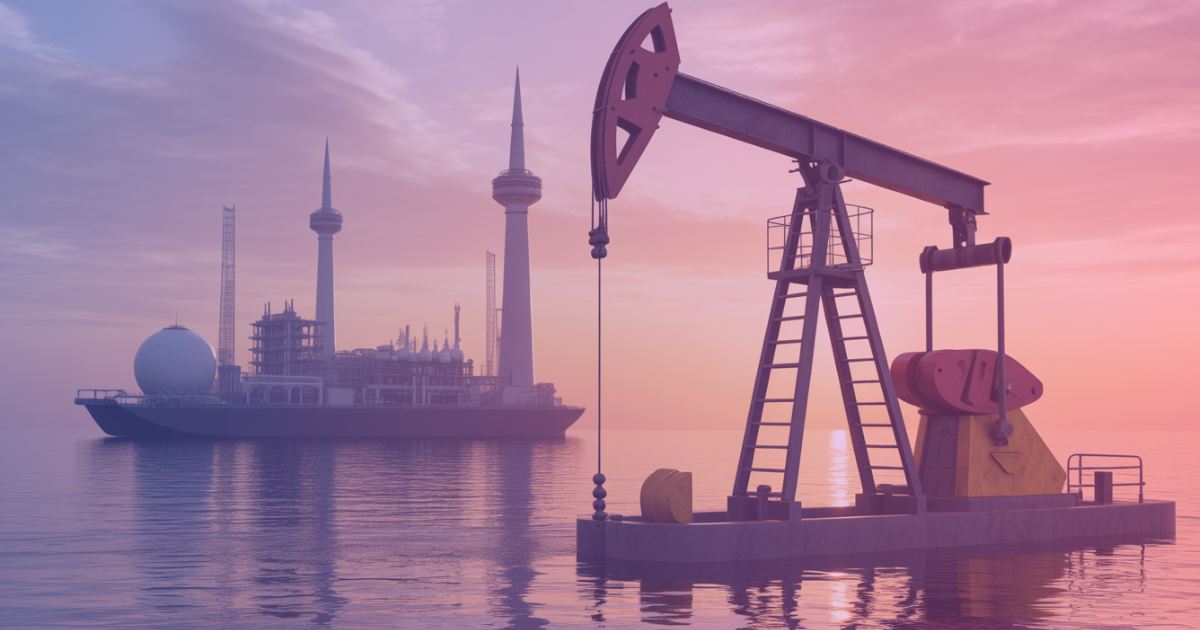
Global oil prices have surged amid the instability, rising from $72 per barrel before the conflict to nearly $110, with warnings they could reach $200 if supply disruptions continue. The crisis is exacerbated by the partial closure of the Strait of Hormuz, through which about 20% of the world’s oil passes. Governments are scrambling to stabilize energy markets, with the U.S. easing shipping rules and the UK deploying limited naval defenses. Analysts warn that inflation and energy costs will continue to climb while uncertainty persists.
Human and Military Impact
The conflict has caused significant casualties and displacement. Israeli missile strikes and Iranian retaliatory attacks have killed hundreds across the region, including at least 14 in Israel, over 1,300 in Iran, and nearly 1,000 in Lebanon. Iranian multiple-warhead missiles and drone strikes have targeted civilian and military sites, while Israel continues air raids on Lebanon and Iran. Maritime attacks near the UAE have disrupted shipping, with over 20 vessels affected in the Strait of Hormuz, further straining global energy supply chains.
International Response and Outlook
U.S. President Donald Trump has threatened retaliation against Iran if attacks continue on Gulf energy facilities, deploying additional marines to the Middle East. UK Prime Minister Keir Starmer has resisted sending forces to the strait, citing the risk of wider war, though Britain has reinforced Cyprus with an air-defense destroyer. Analysts warn that until the Strait of Hormuz is reopened and attacks on energy infrastructure cease, markets will remain volatile, and global economic pressures, including inflation and fuel costs, are likely to intensify.