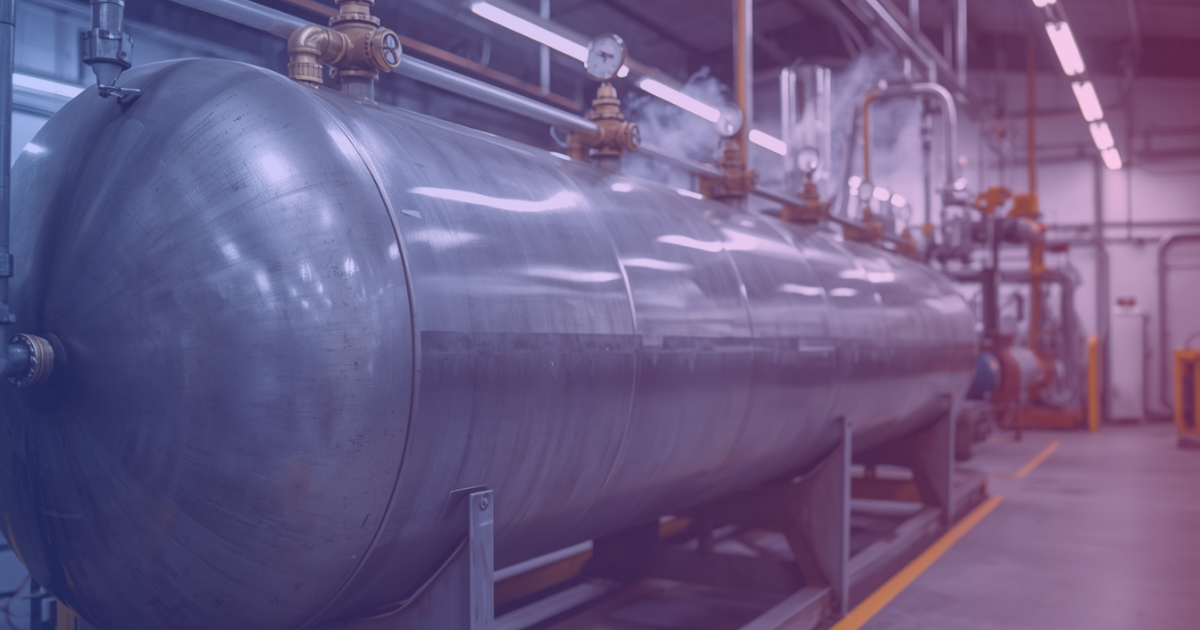
Helium Price Surge 2026: Iran Conflict Disrupts Global Supply
The escalating conflict between the United States and Iran has triggered unexpected economic shockwaves, extending well beyond military impacts. A crucial resource—helium—has become suddenly scarce, jeopardizing industries ranging from semiconductors to healthcare. Experts are warning of severe disruptions, with some predicting a catastrophic economic fallout, while laying the blame on former President Donald Trump, who initiated strikes late last month.
Helium, an inert gas primarily extracted as a byproduct of natural gas processing, is indispensable for cutting-edge technologies worldwide. Its unique properties—such as a low boiling point, non-reactivity, and excellent thermal conductivity—make it essential in numerous high-tech applications.
The Vital Role of Helium in Modern Industries
Helium is foundational to multiple sectors. In semiconductor manufacturing, it cools equipment during processes like photolithography, which etches intricate circuitry onto silicon wafers for chips used in computers, smartphones, AI systems, and electric vehicles. Without a reliable supply of helium, chip production grinds to a halt, affecting broader supply chains.
Medical facilities depend heavily on helium for MRI machines, which utilize superconducting magnets cooled by liquid helium to produce detailed diagnostic images. Institutions like Walter Reed National Military Medical Center rely on this technology, and disruptions could limit scans, delay treatments, and strain healthcare systems.
Helium is also crucial for aerospace, defense, scientific research, fiber optics, and even industrial leak detection. Although less critical applications like party balloons exist, they become a low priority during shortages.
Qatar's Dominance and the Sudden Disruption
Qatar has long been a helium powerhouse. According to the U.S. Geological Survey, it supplied over one-third of the global helium market before the conflict. QatarEnergy's Ras Laffan Industrial City, the world’s largest liquefied natural gas (LNG) export facility, is where helium is produced via natural gas processing.
The war has transformed this scenario. Following the initiation of U.S. strikes on Iran, Iranian drones targeted Ras Laffan, forcing operations to halt. Subsequent missile strikes, which reportedly crippled the plant, caused extensive damage. QatarEnergy declared force majeure on contracts, resulting in an estimated annual reduction in exports by 14% according to some reports. The closure of the Strait of Hormuz, a crucial shipping route, has further exacerbated the crisis.
This is not theoretical; recent reports from CNBC, Fortune, and AP News confirm the facility’s repeated hits and production stoppages, initially removing 27-30% of global supply from the market. Stockpiles and a previous oversupply help mitigate immediate effects somewhat.
Warnings of Economic Catastrophe
Financial and geopolitical analyst Tuomas Malinen sounded alarms on X (formerly Twitter): "I keep warning you that the collapse will be horrendous." His post highlighted the escalating helium shortage as a potential tipping point for broader instability.
Policy analyst Matt Stoller was direct: "Stuff is starting to break. Trump is cooked. His base will abandon him." Stoller directly ties the shortage to Trump’s decision for military action.
Democratic candidate Sara McGee emphasized the unnoticed consequences: "There are many downstream impacts of this war that people don’t even comprehend yet, way beyond gas prices... Donald Trump made this choice, and Congress chose to support it. It’s a betrayal."
These perspectives reveal rising frustration as the conflict's ripple effects continue to manifest.
Market Impacts and Price Surges
Helium prices have soared. Spot prices have jumped 40-100% in mere days, according to analysts from Bank of America and Phil Kornbluth of Kornbluth Helium Consulting. Kornbluth noted surges of 70-100% in some instances within a week.
The market operates primarily on long-term contracts, so while spot price spikes grab headlines, contract prices respond more slowly. Prolonged disruption could lead to force majeure declarations, necessitating renegotiations and higher costs.
Asia suffers the most: South Korea sourced 55% of its helium from Gulf Cooperation Council countries in 2025, Taiwan 69% in 2024, according to Barclays data. These countries dominate semiconductor production, making them especially vulnerable.
Experts like Ray Wang of SemiAnalysis warn that protracted conflict could disrupt sourcing of helium and related materials like bromine, forcing operational adjustments or shutdowns.
Allocation Priorities in a Shortage
In tight markets, helium is allocated first to "mission-critical" users. Semiconductors head the "pecking order," followed by aerospace, electronics, and medical imaging. Less essential sectors, like recreational balloons, face severe cuts or none.
Even priority buyers are encountering hikes. Kornbluth explained suppliers aim to distribute fairly but charge premiums. "Everyone will feel the effects to some degree during this transition period."
A previous two-year oversupply provides some buffer, reducing the effective deficit to around 15% instead of 30%. Kornbluth speculates a swift truce could limit this to a "significant hiccup," with industry profits from price increases offsetting volume losses.
Recovery Challenges and Broader Implications
Restarting production could take five weeks or more post-ceasefire, with full normalization potentially years away due to damages at Ras Laffan. Diversified sourcing and stockpiles support major producers like Linde and Air Products, but extended outages favor earnings via higher prices.
Wall Street sees potential benefits: JPMorgan upgraded Linde, citing the tight helium market as favorable. Air Products rose 14% this year, with analysts from Deutsche Bank, Wells Fargo, and others viewing the situation favorably.
Trump is reportedly seeking an exit strategy as global stability deteriorates, but Iran's insistence on continued conflict complicates de-escalation. Former advisors suggest exit routes may no longer be available.
The helium crisis underscores the complex interplay between geopolitics and supply chains. A Middle East conflict disrupts not just oil but also obscure yet crucial resources, posing risks to technological innovation, medical care, and economic stability. As shortages loom, the true cost of the war—beyond headlines—continues to unfold.