Commodities Market Outlook 2026: Middle East Conflict Triggers Volatility
The intensifying tensions in the Middle East, featuring the United States, Israel, and Iran, have resulted in heightened volatility across global commodity markets.
Commodity Market Turbulence
Oil Prices Surge
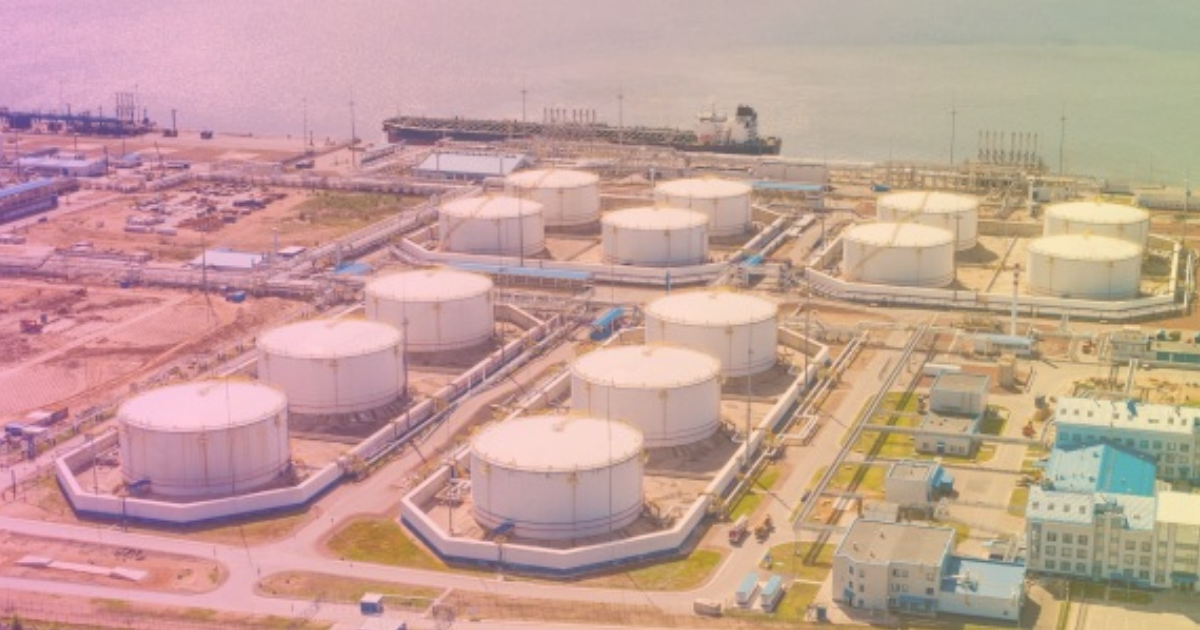
Oil prices experienced a significant spike on Monday, with Brent crude hitting approximately $119.50 per barrel and WTI nearing $119.48. This represents one of the most substantial single-day increases on record at about 25%. The rise is linked to supply disruptions, including production cutbacks by key producers such as Iraq, Kuwait, and the UAE due to storage challenges and attacks. Additionally, concerns persist over potential long-term blockages in the strategic Strait of Hormuz shipping route. Experts view the scenario as a tense standoff without a clear resolution, increasing the threat of lasting economic consequences and inflation.
Agricultural Commodities Climb
Agricultural commodities also saw concurrent increases, notably with oils used in biofuels. Malaysian palm oil surged 9%, Chicago soybean oil reached its peak since late 2022, wheat achieved levels unseen since June 2024, and corn rose to a 10-month high, all propelled by the upswing in crude oil prices.
Gold Takes a Hit
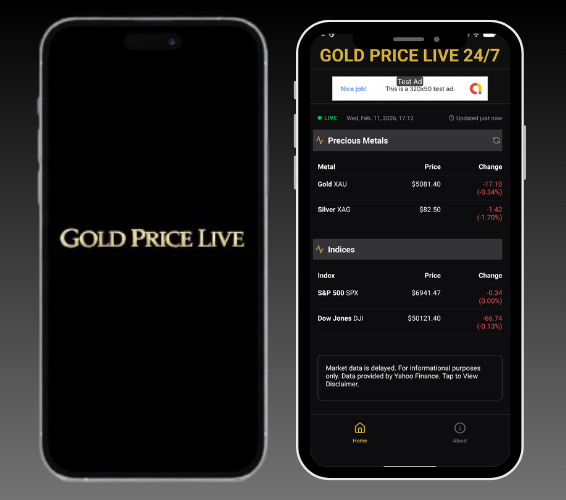
Gold prices dropped more than 2% under the influence of a strengthening U.S. dollar, which is near its highest in three months, making it more expensive for holders of other currencies. The rise in energy costs has fueled inflation concerns, lowering expectations for imminent interest rate reductions, and reducing gold's appeal as a safe-haven asset.
Aluminium Prices Climb
Aluminium prices rose to four-year highs, about $3,544 per ton on the LME, due to supply fears stemming from the conflict. Qatari smelter Qatalum and Aluminium Bahrain have declared force majeure on shipments due to regional tensions. In contrast, other base metals are under pressure from the stronger dollar.
Drivers of Market Disturbance
Significant developments contributing to the turmoil include:
- Iran appointing Mojtaba Khamenei, son of the late Ali Khamenei, as Supreme Leader, signaling continued stringent rule following the conflict's escalation.
- Bahrain's state-owned Bapco Energies announcing force majeure on operations after an attack on its refinery complex; the company stated that domestic fuel supplies are secure through contingency plans.
- Israel warning of possible attacks on Hezbollah’s financial infrastructure (Qard al-Hassan) in southern Beirut amid ongoing intense bombings in Lebanon and Hezbollah's rocket and drone retaliations.
In sum, markets are plagued by rising fears of a potentially extended conflict, where oil-induced inflationary pressures are complicating monetary policy, boosting the dollar while negatively impacting risk assets.